Manitoba to remove PST from all grocery food items, premier says
 March 24, 2026
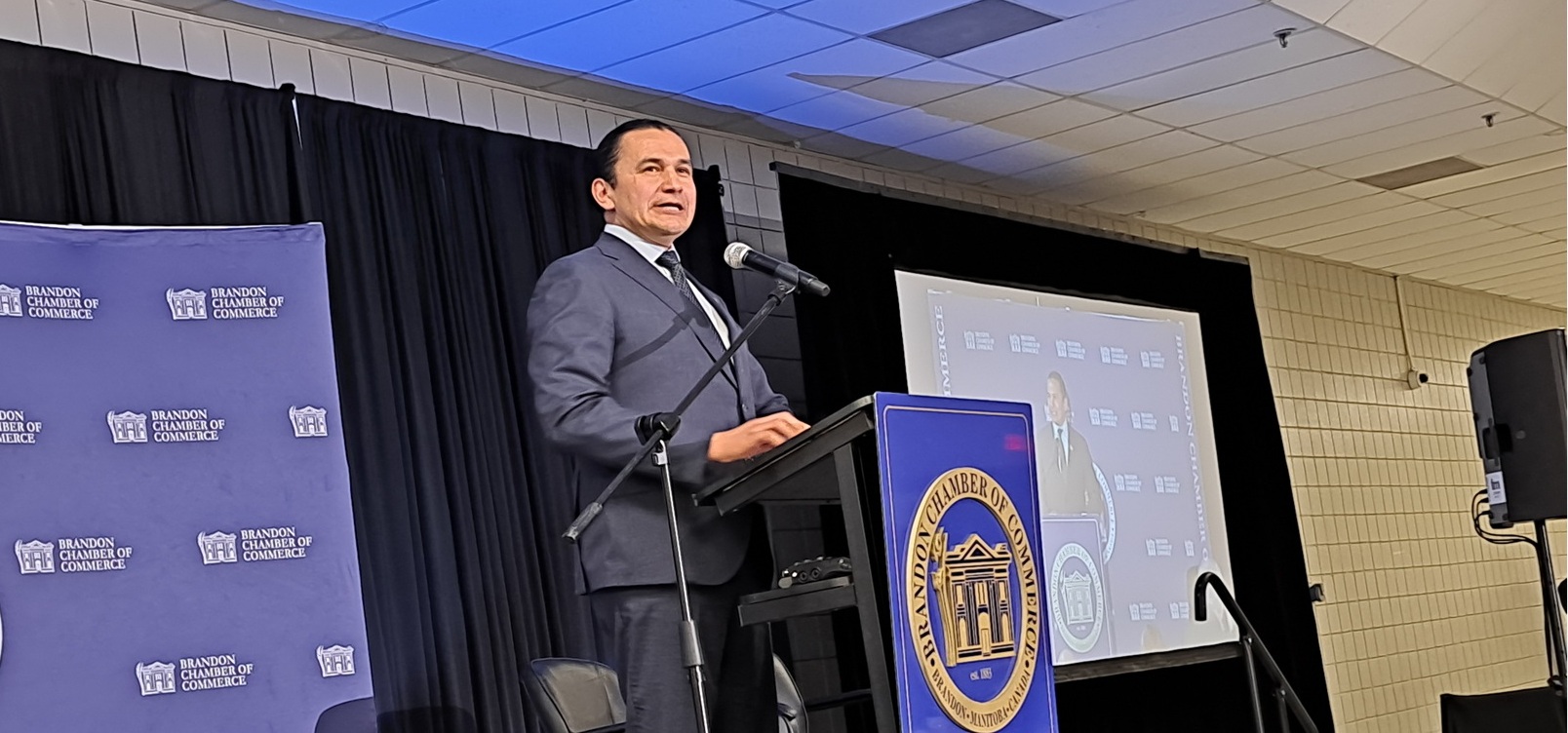
(file photo)
With the lowest deficit-to-gross domestic product ratio in Canada, the Manitoba government’s Budget 2026 makes responsible investments that aligns with Manitobans’ priorities while making progress on the path to balance the budget within four years, Finance Minister Adrien Sala announced today.
“Budget 2026 reflects the priorities we heard from Manitobans every day, strengthening health care, lowering costs and creating good jobs,” said Sala. “We’re delivering real progress with relief at the grocery store, more front-line staff in our health-care system and new opportunities for workers. This budget is about building a healthier, more affordable Manitoba for families.”
Budget 2026 continues to invest more in health care for the third consecutive year, adding 4,054 net new health-care staff added to the front lines and focuses on new initiatives to reduce the number of emergency rooms (ER) wait times. This budget also includes a significant investment in cardiac care with $22.1 million to re-establish the Cardiac Centre of Excellence at the St. Boniface Hospital, now called Heart Care Manitoba, and provides additional funding to perform 200 more hip and knee surgeries at the Selkirk Regional Health Centre, along with 3,250 more MRIs.
Manitoba is leading the country in tackling rising grocery prices through new legislation that would ban predatory pricing and restrict property controls. Budget 2026 goes further by removing the provincial sales tax from all food sold in grocery stores starting July 1. Additional measures to lower costs for Manitobans include an increase to $1,700 to the Homeowners Affordability Tax Credit, increased rent relief delivered sooner, and free transit for children and youth.
Manitoba’s economy is strong with wages outpacing inflation, continued private-sector growth and a steady increase in the number of Manitobans working. Budget 2026 builds on this growth with a historic commitment to train 40 per cent more apprentices in the skilled trades and a new $10-million Churchill Catalyst Fund to attract more private-sector interest in an energy corridor that will create good jobs for generations. With $118 million to build four new schools, $71.8 million to build personal care homes in Lac du Bonnet, Arborg and Transcona, $36.1 million to build new ERs at the Victoria and Eriksdale hospitals, the Manitoba Jobs Agreement is ensuring those jobs go to Manitoba workers.
Budget 2026 reflects the values of everyday Manitobans who want to see everyone succeed with progressive policies that give families with the lowest incomes the most help. This includes a change to the Homeowners Affordability Tax credit to help Manitobans with the most give back to those with the least, new investments in free child care for low-income families, and a $2.5-million investment in adult literacy programs to help more Manitobans graduate and find a good job.


 -13.8°C Brandon,CA