Manitoba Government Provides $290,000 in Ongoing Funding for Brandon Crisis Response Unit
 January 16, 2026
The Manitoba government is supporting a new crisis response unit in Brandon that provides mental health services on the scene of police crisis calls, Housing, Addictions and Homelessness Minister Bernadette Smith and Justice Minister Matt Wiebe announced here today.
“This program is about meeting people where they are. Every Manitoban either has experienced, or knows someone who has experienced, a mental health crisis and wants people treated with care and compassion,” said Smith. “When someone needs support, this team can show up with understanding. I want to uplift and thank the Brandon Police Service and Prairie Mountain Health for providing services that support Manitobans.”
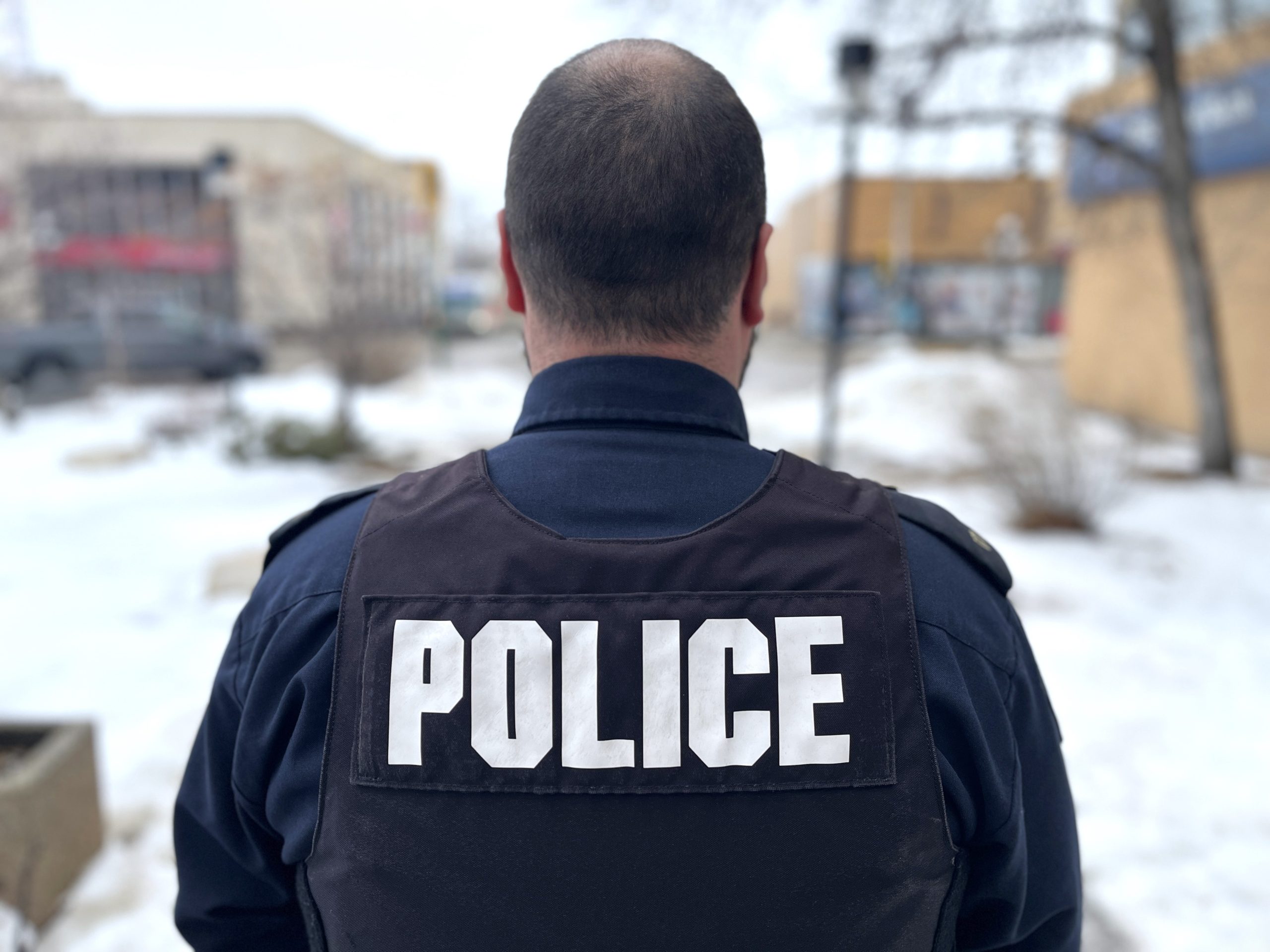
Launched last fall, the Prairie Mountain Health-Brandon Police Service Collaborative Crisis Response Unit is a joint initiative between the Brandon Police Service (BPS) and Prairie Mountain Health (PMH). The unit pairs a BPS officer with a mental health clinician from Prairie Mountain Health (PMH) to respond to calls where people are experiencing a mental health crisis. The goal is to de-escalate situations and provide clinical intervention, with coverage offered seven days a week.
“This initiative prioritizes Brandon residents’ safety and well-being, and helps reduce risks to individuals in crisis, their families and the broader community,” said Wiebe. “The crisis response unit highlights the importance of collaboration between police services and community partners to enhance front-line responses and provide a wider range of supports that help redirect people away from police intervention.”
The announcement comes as local officials highlight the importance of compassionate crisis intervention for families and residents.
“Brandon families deserve to know that when someone is in crisis help will arrive with care, expertise and compassion,” said Municipal and Northern Relations Minister Glen Simard. “Brandon’s crisis response unit is already proving its value and is an important addition to the community’s network of services. I’m grateful to everyone involved for their commitment to improving mental health responses in our community.”
BPS and PMH have developed policies, safety protocols and a triaging system that includes pathways to engage community agencies. Two BPS constables are dedicated to the unit, which is also staffed by mental health professionals and peer support workers to ensure a comprehensive response to mental health calls.
“The crisis response unit represents a critical step forward in how we respond to mental health crises, bringing police, health professionals and community partners together to deliver timely, trauma-informed care with dignity and compassion,” said Tyler Bates, chief, BPS. “This unit is already reducing unnecessary hospital transfers, supporting front-line officers and ensuring people in crisis are connected to the right help, strengthening community safety and well-being.”
The unit will provide year-round coverage for mental health-related calls The Manitoba government is providing ongoing annual funding of $290,000 to Prairie Mountain Health to support a team including two full-time police officers and three full-time mental health clinicians, along with peer support workers from Peer Connections Manitoba.
“The new PMH-BPS Collaborative Crisis Response Unit is a significant step forward in how Brandon supports individuals experiencing mental health or addiction crises,” said Chris Bromley, director of health services, mental health and addiction, PMH. “This unit builds on PMH’s existing crisis resources. PMH continues to operate its 24-hour Mobile Crisis Unit, and the Brandon area benefits from a strong Community Mobilization Westman program. Together, these teams create a more co-ordinated and comprehensive response system for people in crisis in our community.”
The project supports the mandate of the Department of Housing, Addictions and Homelessness to hire 100 mental health workers to work alongside law enforcement and community organizations, Smith noted.



 -24.8°C Brandon,CA