From Traffic Stop to Trafficking Charges, Traffic Stop Triggers Warrant Arrest and Trafficking Charges
 June 2, 2026
Arrest Warrants
Over the past 24 hours, six individuals were arrested on outstanding Warrants for Arrest. Three were held in custody for court appearances in the morning, while the remaining three were released on Appearance Notices with future court dates.
Of note, two of the individuals arrested on outstanding warrants were involved in a traffic stop in the 200 block of 10th Street. An 18-year-old male was found to be wanted on a Warrant for Arrest, with pending charges of Assault, Possession of a Weapon, Carrying a Concealed Weapon, Failure to Comply with an Undertaking, Assaulting a Peace Officer, Resisting a Peace Officer, and Failure to Attend Court.
During the investigation, officers located a fanny pack containing approximately $1,600 in cash, 4 grams of cocaine packaged in 1-gram bags, packaging materials, and a digital scale. A 20-year-old male was also an occupant of the vehicle. As a result, both individuals were charged under the Controlled Drugs and Substances Act (CDSA) with Possession of Cocaine for the Purpose of Trafficking, as well as Possession of Property Obtained by Crime.
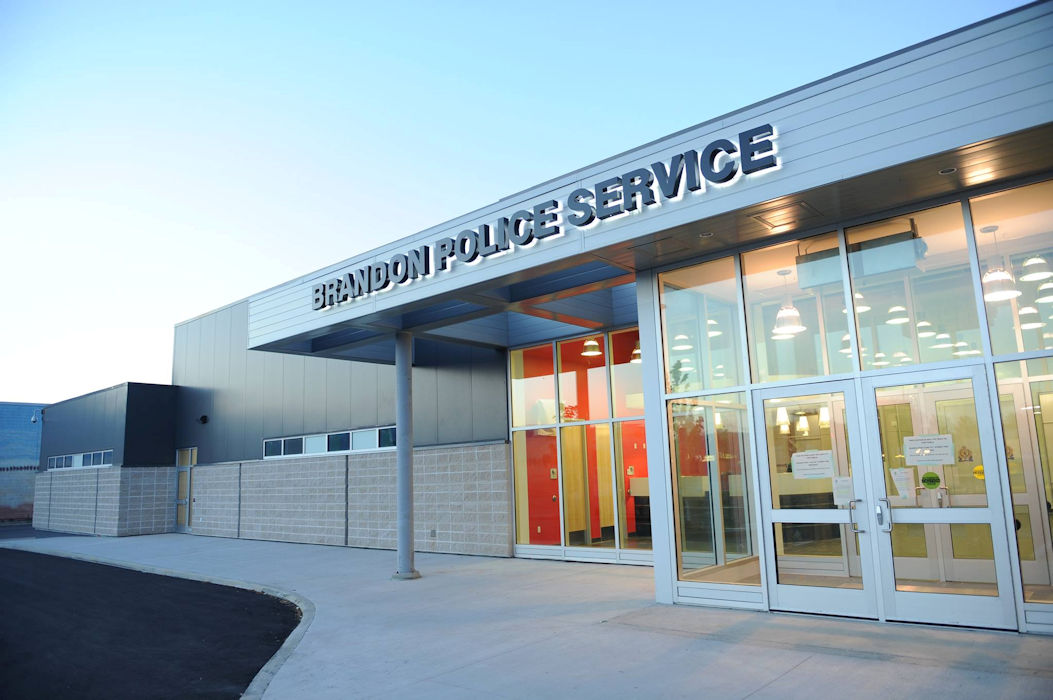
Both males were arrested and held in custody at Brandon Police Service (BPS) for court appearances the following morning of June 2nd, 2026.
Robbery with Violence / Uttering Threats
On June 1st at 3:07 p.m., police received a report that a male suspect had entered a business in the 500 block of 1st Street, punched an employee in the shoulder, grabbed the cash till, and fled the scene. Officers determined that the suspect was the same individual involved in an earlier incident at a business in the 1000 block of 18th Street, where he threatened staff before leaving in a taxi. After identifying the 45-year-old male suspect, officers attended the residential area off Pacific Avenue in an effort to locate him. The suspect arrived at the location in a taxi and was arrested. He was transported to BPS detention cells and held for a court appearance scheduled for the morning of June 2nd, 2026.
CDSA - Possession for Purpose of Trafficking
A 55-year-old male was wanted on charges under the Controlled Drugs and Substances Act (CDSA) as a result of Project Banish, an investigation conducted between September 2021 and November 2022. The male was arrested in British Columbia and subsequently returned to Manitoba. Members of BPS attended the Winnipeg airport and took custody of the accused, transporting him to BPS detention cells. The 55-year-old male is scheduled to appear in court on the morning of June 2nd, 2026.
Breach of the Peace / Protective Detention & Care of Intoxicated Persons Act
In the past 24 hours, two individuals were arrested for Breach of the Peace, while an additional individual, who was highly intoxicated, was taken into custody under the Protective Detention & Care of Intoxicated Persons Act (PDCIPA). Both will be released once sober.



 22.2°C Brandon,CA